
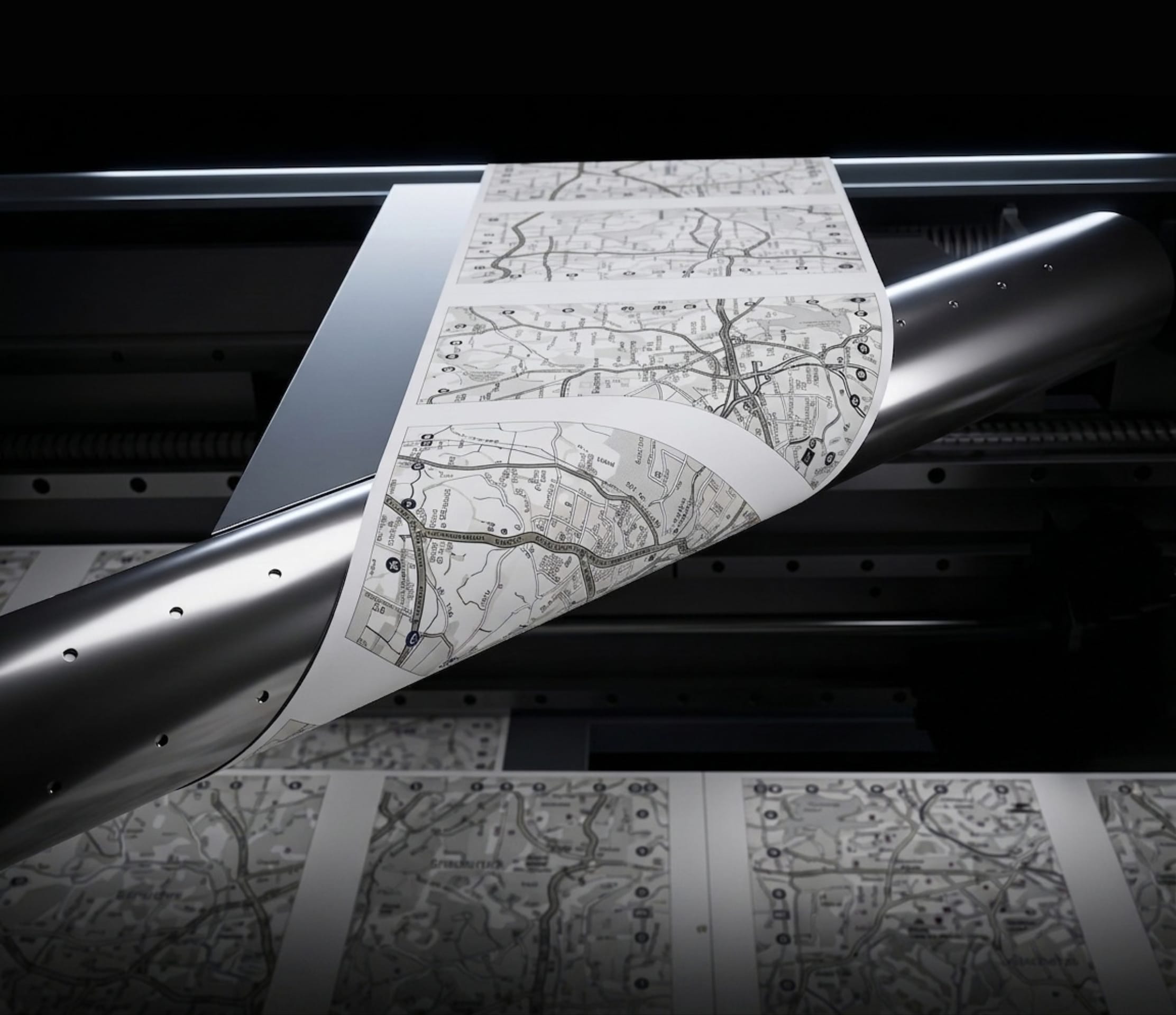
The Process
Why the world's books are printed offset.
Lithographic web offset delivers the lowest cost per copy, the widest paper range, and quality that holds from the first book to the millionth.
The economics
Ink is cheap. Clicks are not.
Digital printing charges you roughly the same for every copy — the meter doesn't care how many you run. Offset front-loads a plate and then prints for the price of ink and paper, so every additional copy costs less than the last.
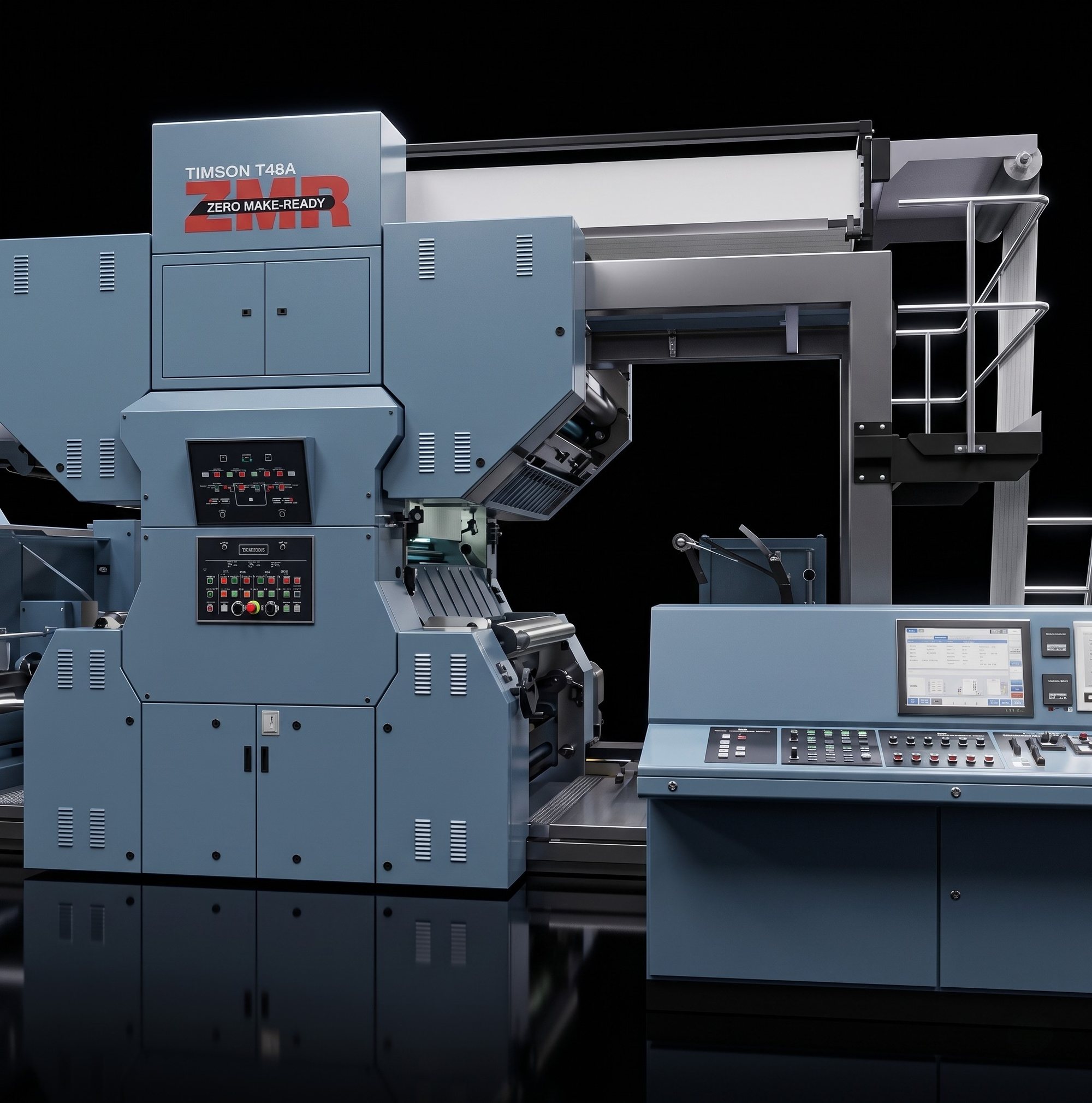
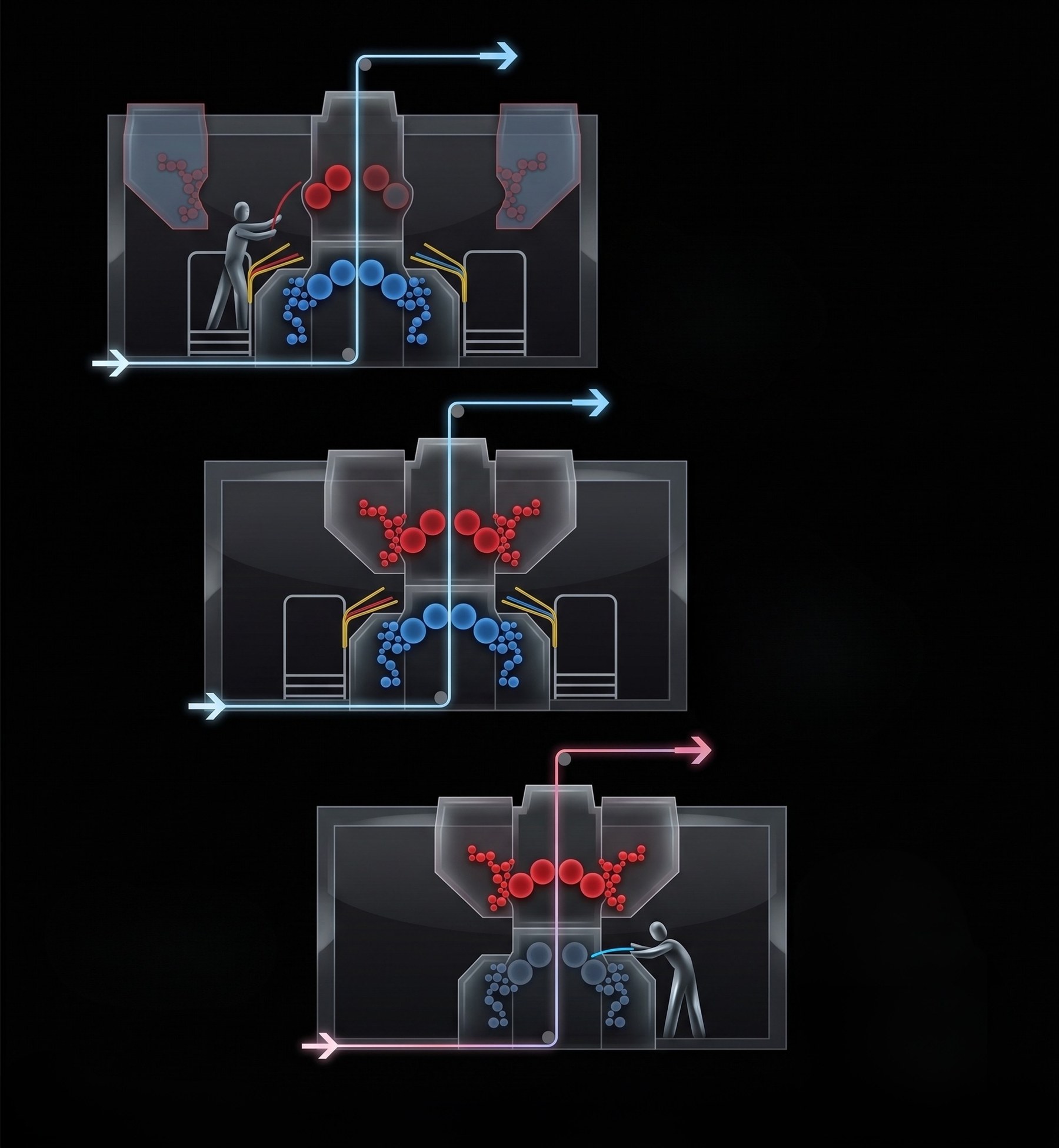
The only argument against offset was the make-ready: the setup time that priced short runs out. Zero Make-Ready removed it — plates change at full running speed, and the crossover point where offset beats digital has dropped to runs as short as 500 copies.
See Zero Make-ReadyThe case for offset
Six reasons books stay lithographic.
What ink on plate delivers that a meter never will.
01Quality that sells at retail
True lithographic density and register — crisp text and smooth tones on the shelf, not visible dots.
 02
02The widest paper range
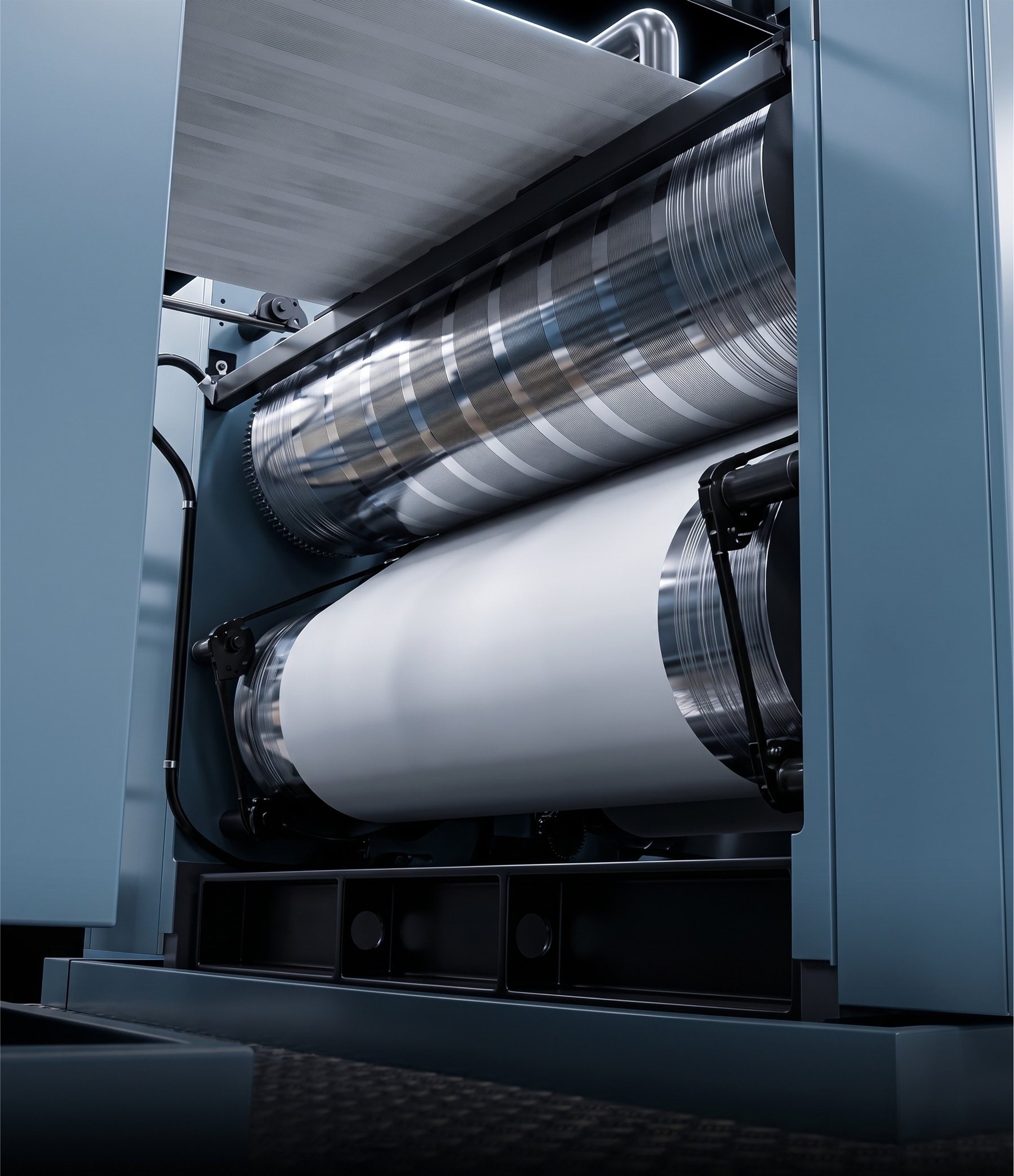
28gsm Bible stock to 120gsm bulked trade, uncoated or coated. Digital engines are far choosier.
 03
03Speed digital can't match
550 metres a minute — 1,800 feet of printed web every sixty seconds, hour after hour.
 04
04Unit cost that keeps falling
Plates amortise; ink and paper are the only marginal cost. The longer the run, the wider your margin.
 05
05Copy one equals copy one million
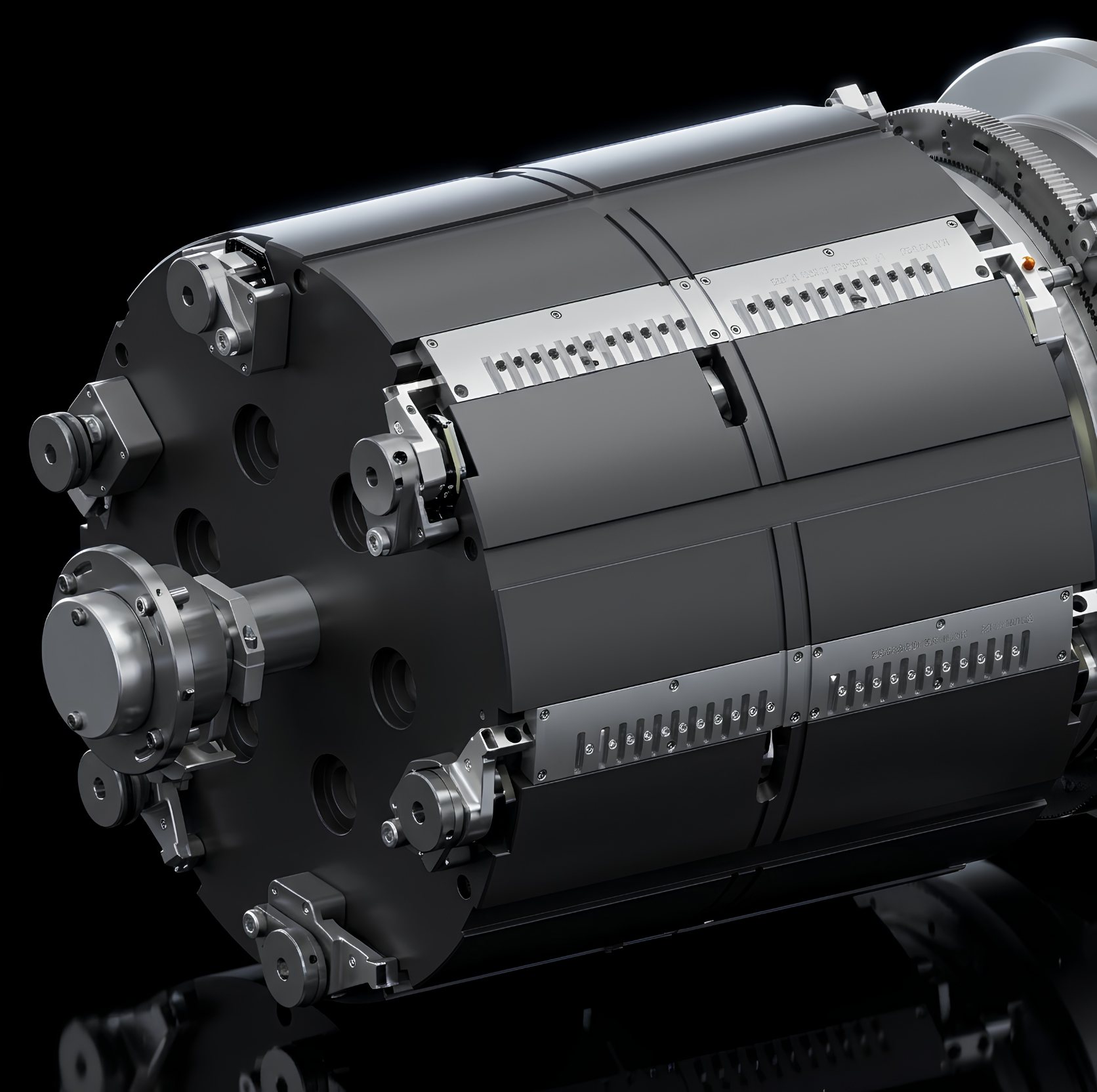
A plate doesn't drift. Colour and register hold across the entire run — reprints match the original.
 06
06Proven around the clock
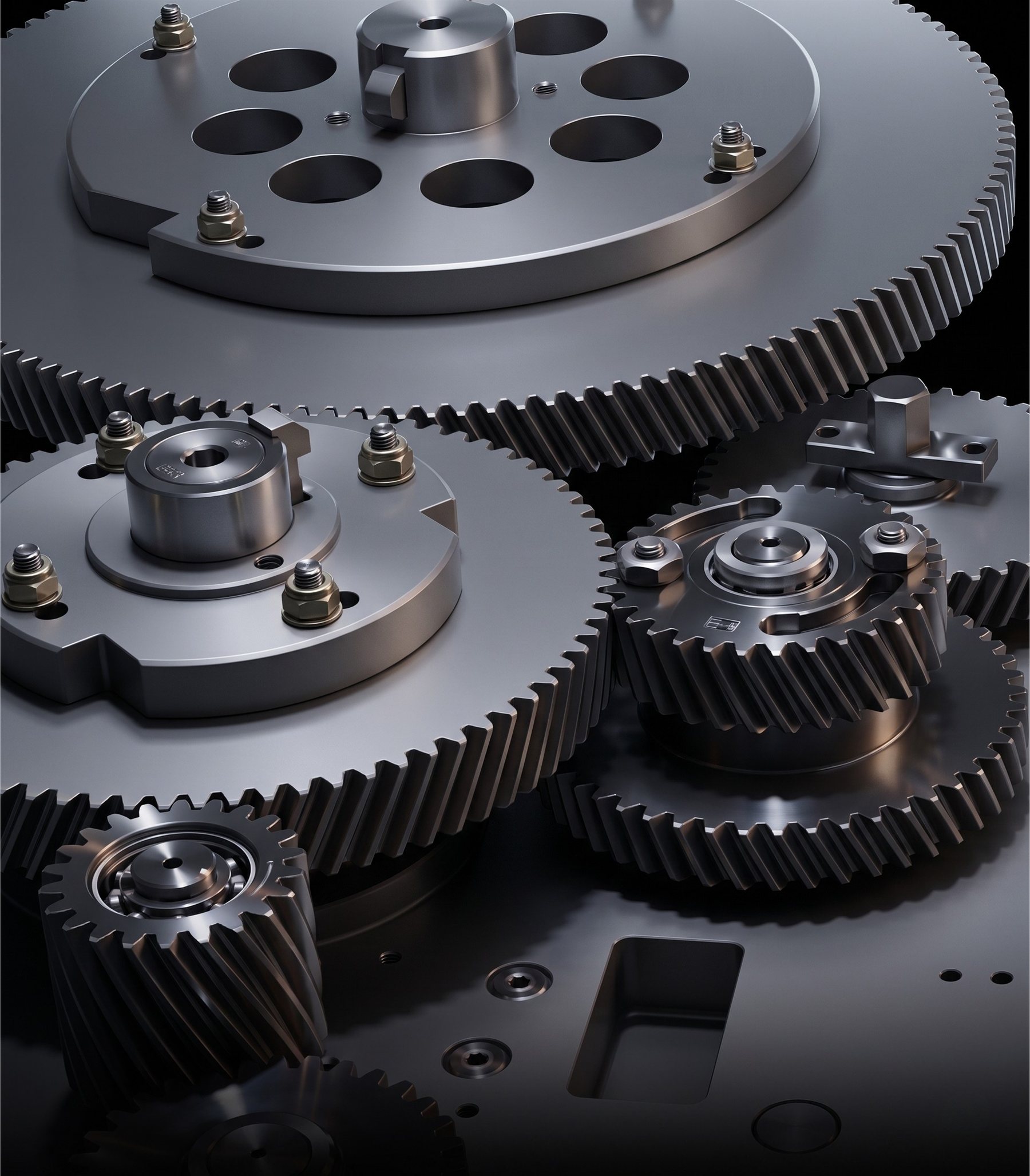
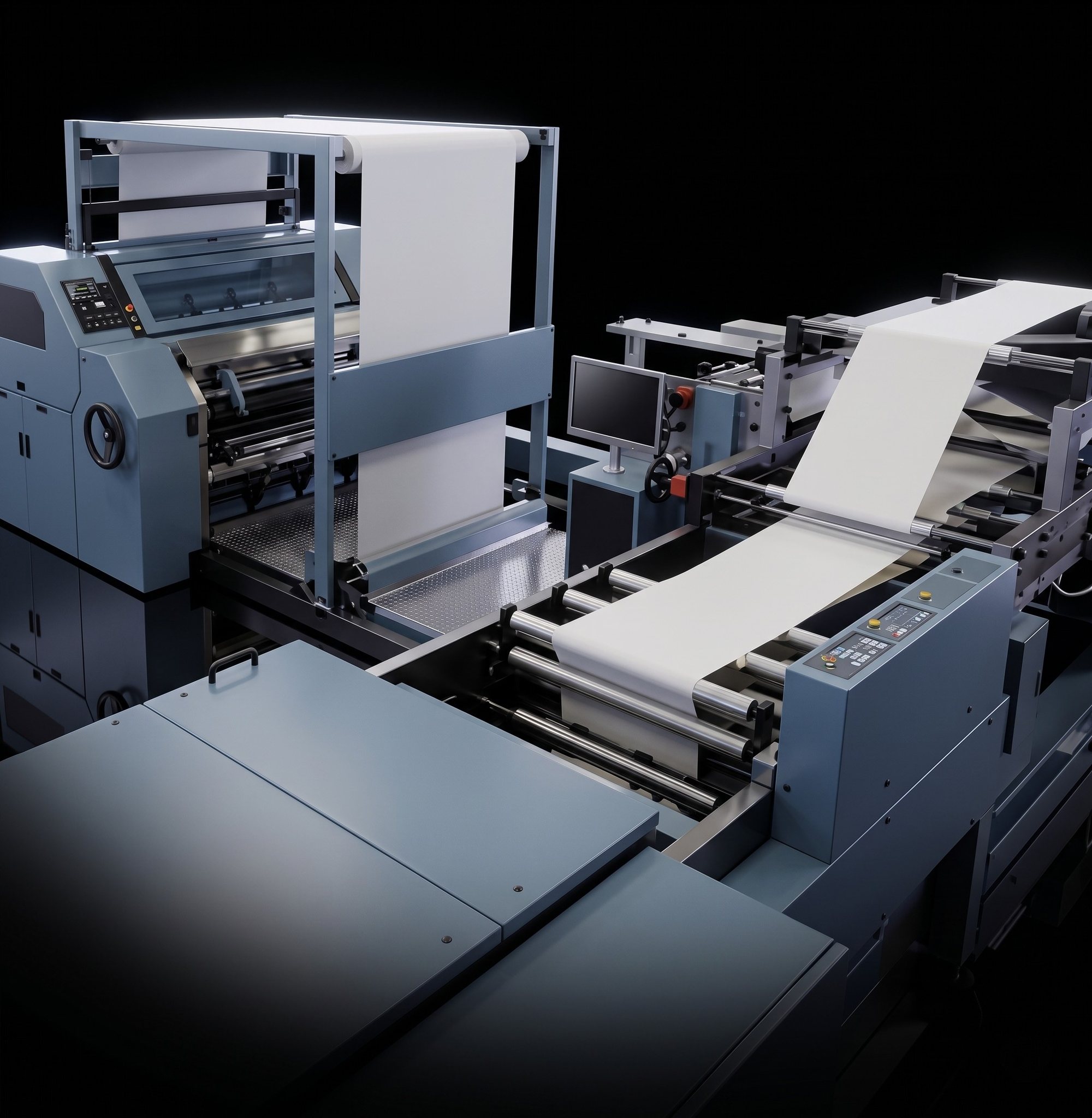
Web offset presses run 24/7/365 for decades. Most Timson presses ever built are still earning.
The numbers
What web offset delivers, every shift.
1,500fpm
printed web, every minute
64pp
per form from a single web
28gsm
Bible stock — handled at full speed
The objection, answered
“Offset can't do short runs.” It can now.
For decades the trade-off was real: offset won on cost and quality, digital won on setup time. Zero Make-Ready ended it. One print unit runs while the other is re-plated, the web transfers at full speed, and changeover waste stays under 30 copies.
The result: runs as short as 500 copies — work the industry had written off to digital — printed with offset quality at offset unit cost.
And when you print digital
We fold for both sides of the pressroom.
Below the crossover, digital has its place — and the Rotary FlexFold folds for it too, at 1.28 million pages an hour behind any inkjet engine.
View the FlexFoldTimsons
Print books, not click charges.
Tell us your run lengths — we'll show you where offset wins them back.